







Search Results for: Espresso Blending

Flavor Profile and Blending Characteristics of Espresso Blend Coffee Beans: Can Yunnan Coffee Beans Be Used in Coffee Blends?
The history of coffee blending can be traced back to the 17th century, when people mixed Indonesian Java with Yemeni Mocha to create the famous Mocha-Java. After that, espresso blends became mainstream, and classic recipes such as the Mamba blend became widely known. The core purpose of blending is to integrate the flavor advantages of coffee beans from different origins, make up for shortcomings by drawing on strengths, and at the same time balance cost and crema performance. This article focuses on the definition of espresso blend coffee beans, the four major principles, preparation before blending, and the application of Yunnan arabica coffee in blending, and uses several "Front Street" espresso blend products as examples to analyze their flavor characteristics and extraction parameters, helping coffee enthusiasts understand blending logic and practical directions. [more…]
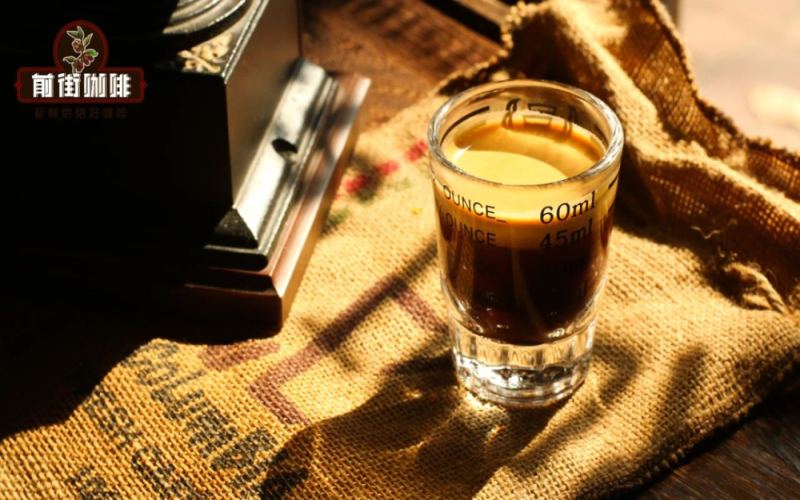
The Blending Principles and Techniques of Espresso Blend Coffee Beans: From Pre-Roast and Post-Roast Blending to an Analysis of Three Front Street Coffee Recipes
Espresso blends are not made by casually mixing several kinds of beans together, but rather by purposefully harmonizing them according to origin flavors, processing methods, and roasting curves. Starting from the definition and purpose of blending, this article explains the difference between raw blending and roasted blending, explains how blending stabilizes flavor and balances mouthfeel, and sorts out the advantages and limitations of single-origin espresso under the SOE trend. It then takes three Front Street Coffee espresso blend recipes as examples, analyzing one by one the origin characteristics, roasting approach, and final cup performance of components such as Colombian Huila, Brazilian Cerrado, Robusta, and Yunnan AA, helping shop owners and home users choose according to their needs. [more…]
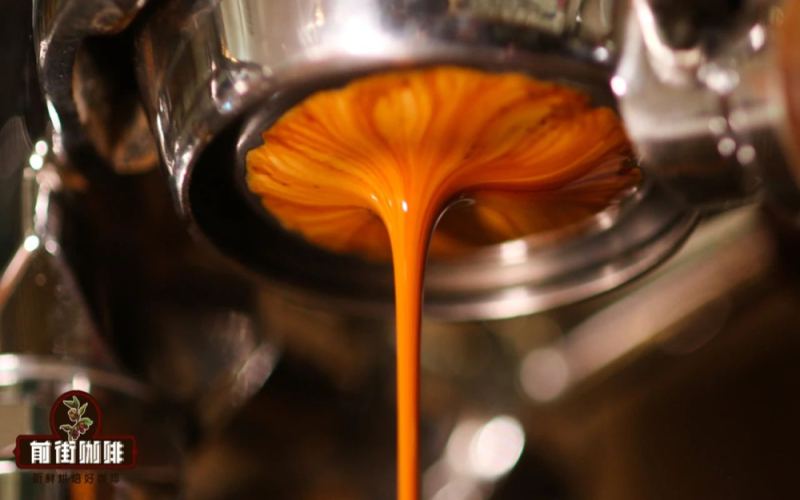
A Complete Analysis of Espresso Bean Blending: From Principles to Front Street Coffee's Four Espresso Bean Recipes and Extraction Parameters
To make a rich, well-balanced espresso at home or in a café, choosing the right blend is the first step. This article begins with the definition and purpose of coffee blending, explains the pros and cons of pre-roast blending and post-roast blending, and lays out the complete process: establishing the target flavor, determining the blend type and ratio, and pre-confirming through cupping. It also details the origin composition, roasting approach, and flavor performance of four Front Street Coffee espresso blends—Specialty Espresso, Commercial Espresso, Basic Espresso, and Sunflower Warm Sun—along with espresso extraction parameters and an iced latte recipe, and finally explains why espresso is served with a spoon. [more…]
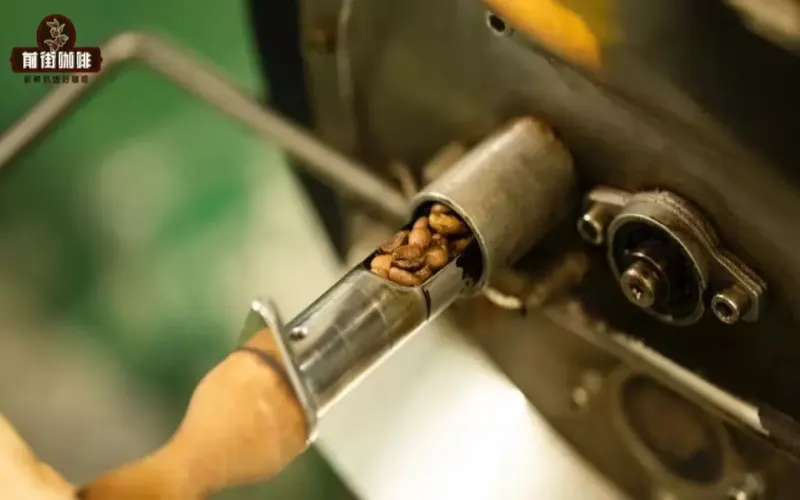
An Analysis of the Differences Between Pre-Roast and Post-Roast Blending for Espresso Blends, with a Discussion of Blend Recipe Design and Tasting Methods
Espresso coffee beans are usually made by blending a variety of coffee beans, and in Italy, a bag of beans may contain several or even dozens of beans from different origins. The core value of blending lies in maintaining flavor stability: when a certain bean's quality fluctuates, its production declines, or its price rises, the roaster can substitute it with beans of similar quality without changing the overall taste. Blending methods are mainly divided into two types: pre-roast blending and post-roast blending, each with different operational logic and suitable scenarios. This article focuses on the differences between these two blending methods, while also explaining the influence of roast degree on flavor, the reasons why single-origin beans find it difficult to independently serve as an espresso base, and recommending three classic espresso blend products from the Front Street Coffee brand, to help coffee enthusiasts understand the design approach and tasting direction of blend recipes. [more…]
A Complete Guide to Espresso Blend Coffee Beans: From Raw and Roasted Blending to Classic Recipes and Flavor Pairing
The essence of espresso often lies in the blend—skillfully combining coffee beans of different varieties or roast levels so that their flavors complement one another. This article systematically explains the two blending processes for blend beans (pre-roast blending and post-roast blending), the differences in resting time, and the three main approaches to blending coffee: using a base bean as the core, combining beans with opposite characteristics, and blending similar beans while adding distinctive flavors. It also provides classic espresso recipe ratios for three types—bright and acidic, balanced, and bitter-leaning—and mentions recommendations from the Front Street brand. Whether you are a coffee enthusiast or a professional, you can find practical blending inspiration here. [more…]
What Is Blended Coffee? An Analysis of Espresso Bean Blending Methods and Key Points on Resting Time
For those who are new to specialty coffee, seeing baristas sell beans from different origins blended together can be puzzling. In fact, this is blended coffee, also known as a blend. From the perspective of Front Street Coffee, this article systematically explains the definition of blended coffee, the purpose of blending, the difference between pre-roast blending and post-roast blending, as well as blending approaches for different origins and different varieties. It also provides a detailed introduction to the recipes and flavor characteristics of Front Street's four espresso blends, along with suggested parameters for pour-over blended coffee, helping coffee enthusiasts fully understand the value and uses of blended coffee. [more…]

Espresso Blend Philosophy | Why Blend Coffee Beans? How Different Are Espresso Blends from Single-Origin Beans in Flavor?
Coffee lovers who frequently visit Front Street Coffee (FrontStreet Coffee) know that Front Street Coffee (FrontStreet Coffee) not only offers pour-over coffee but also espresso-based drinks, such as mocha, cappuccino, latte, and more, which are often available. [more…]
Espresso Blend Recommendations | What Are the Benefits of Blended Coffee? How to Determine the Espresso Brewing Ratio of Coffee Grounds to Water?
Espresso has a thicker texture and richer crema than drip coffee, and making high-quality espresso is inseparable from good espresso beans. Generally speaking, espresso beans are made by blending coffee from several origins to achieve a balanced flavor. Front Street Coffee (FrontStr [more…]

The Complete Guide to Buying Espresso Blend Coffee Beans: From Blending Principles to an Analysis of Front Street Coffee's Four Products
Blending coffee is not simply mixing beans together, but an art that combines experience, inspiration, and scientific calculation. This article systematically sorts out the purpose and commercial logic of blending, the sequence between blending and roasting, the blending steps and core principles, and introduces in detail four distinctive espresso blend coffee beans under Front Street Coffee — Sunflower Warm Sun, Specialty Blend, Commercial Blend, and Dark Cocoa Blend — covering formulas, roasting methods, flavor characteristics, and applicable scenarios, helping coffee enthusiasts and professionals comprehensively understand the classification and purchasing points of espresso blend coffee beans. [more…]
Beginner's Guide to Espresso Blend Beans: A Detailed Explanation of Blending Logic, Roasting Methods, and Flavor Differences from Single-Origin Beans
In the world of espresso, blend beans have always held a mainstream position. Walking into a Front Street Coffee store, you'll find that the bar offers both pour-over single-origin coffees and espresso classics like lattes and cappuccinos—and what's used behind the espresso drinks is precisely blend beans. This article will focus on espresso blend beans: first clarifying their definition and Italian origins, then comparing the flavor differences between blend beans and single-origin beans, breaking down the pros and cons of the two roasting approaches—pre-blend roasting and post-blend roasting—and introducing one by one the flavor characteristics and recipe ratios of Front Street's four espresso blend beans currently on sale, providing a reliable reference for friends looking to get into espresso beans. [more…]
A Complete Guide to Espresso Blend Coffee Beans: Blending Principles, Raw-Roasted Blending Methods, Seasonal Recipes, and Brand Recommendations
Blended coffee beans are the flavor cornerstone of espresso, but there is a great deal of craft behind how to blend an outstanding shot. This article begins with the basic logic of blending: a good recipe must surpass any single-origin bean in the blend, and the number of bean varieties should ideally be kept to no more than five; it then analyzes the differences between the two processes of roasted blending and green blending, along with their respective resting times—3-4 days for green blending and about a week for roasted blending; next, it introduces the seasonal blending concept popular in the specialty coffee world, and uses the standout sweet Front Street Strawberry Candy espresso as an example to break down its composition of origins and processing methods; finally, it presents the cost-performance ledger of Guangzhou Front Street Coffee's commercial blend beans—less than 1.5 yuan per cup—providing a clear reference for your purchasing decision. [more…]

The Core Principles and Practical Methods of Espresso Blending: A Complete Approach from Green-Coffee Blending and Roasted-Coffee Blending to Pour-Over Blending
Blending is an art of balance and creativity in the world of coffee. Starting from the definition of blending, this article traces the two original purposes of blended beans in history—stabilizing flavor and reducing costs—and then explores the shift in blending philosophy in the specialty coffee era. The article compares in detail the pros and cons of blending green beans versus blending roasted beans, emphasizes that the foremost prerequisite for blending is a similar roast level, and thoroughly analyzes how to scientifically pair beans based on their flavor and mouthfeel characteristics. Finally, using "Front Street Warm Sun Blend" as an example, it showcases the classic combination of 70% Sherry and 30% Red Cherry, providing coffee enthusiasts with a reusable underlying logic for blending. [more…]
How Exactly Are Coffee Blends Formulated? The Differences Between Espresso and Single-Origin Blends, and Approaches to Yunnan Coffee Blending
The debate between blends and single-origin coffee has a long history; each has its own strengths, and there is no absolute winner. So-called blended coffee beans are made by mixing multiple kinds of coffee beans in different proportions to achieve flavor expressions that a single bean variety struggles to present. It serves both the stable extraction of espresso and the possibilities of flavor exploration. From the perspective of Front Street Coffee, this article sorts out the core purposes of blending, the four major principles, and common misunderstandings, explains the differences between espresso blends and single-origin blends, and introduces the Mamba recipe, Yunnan coffee blending ideas, as well as the flavor positioning and suitable scenarios of several Front Street espresso blend beans. [more…]

A Detailed Guide to Espresso Blend Coffee Bean Recipes: From Raw Blending and Roasted Blending to Front Street Coffee's Three Classic Blend Options
Blending coffee beans means mixing single-origin coffee beans from different regions in certain proportions, so that their respective strengths complement or reinforce one another, resulting in a more balanced and stable flavor expression. This article revolves around the core logic of espresso blending, first explaining the trade-offs between the two processes of raw blending and roasted blending, then sharing three representative recipes from Front Street one by one: Specialty Blend (Colombia Huila × Brazil Cerrado), Commercial Espresso Blend (with Robusta added), and Basic Espresso Blend (Yunnan AA × Brazil). The article records in detail the altitude, variety, processing method, and roasting approach of the beans from each origin, and gives the flavor direction and applicable scenarios after blending, making it suitable as a reference for coffee enthusiasts and people opening shops. [more…]
Can Espresso Blend Beans Handle Pour-Over? An In-Depth Analysis of Suitability and Flavor Performance, Plus a Front Street Coffee Hands-On Comparison
Many coffee enthusiasts wonder: can the blended beans typically used for espresso also be used for pour-over? The answer is yes, but doing so will lose the pure flavor of single-origin beans, and the overall taste will be more complex. Espresso blends and pour-over blends differ significantly in purpose, principles, and roast level—the former seeks flavor complementarity, while the latter emphasizes flavor enhancement. This article provides a detailed breakdown of the similarities and differences between the two, their blending principles, and uses Front Street Coffee's Ethiopian natural Red Cherry blended with Honduran Sherry as an example, extracting with both an espresso machine and a V60 pour-over for comparison, covering everything from parameters to flavor. [more…]
A Comprehensive Analysis of the Differences Between Espresso Blend Coffee Beans and Single-Origin Beans and the Logic of Blending
Many friends who are just getting into coffee are curious: why are blend beans used for making lattes and cappuccinos, while single-origin beans are used for pour-over? What exactly is the difference between the two? Starting from Front Street Coffee's production practices, this article systematically sorts out the definition of espresso blends, blending approaches, the original intent behind blending, and the respective pros and cons of blending raw versus roasted beans, while also explaining the importance of blending ratios and flavor harmony. The article also introduces in detail the formulas and flavor positioning of Front Street's four espresso blends, helping coffee enthusiasts choose suitable espresso beans according to their budget and taste preferences, and understand the philosophy of balance behind blending. [more…]
A Comprehensive Analysis of Coffee Blends: Differences Between Espresso Blends and Single-Origin Beans, and How to Choose Between Pre-Roast and Post-Roast Blending
Blended coffee beans have attracted increasing attention in recent years, and even the pour-over coffee scene has begun to adopt them widely. Front Street Coffee has pointed out in past articles that single-origin coffee beans often struggle to achieve an ideal state in both flavor and mouthfeel at the same time, while through blending, it is possible to create a coffee bean that combines flavor, mouthfeel, and a unique character. However, blended beans involve two different modes—raw blending and roasted blending—which has also led many enthusiasts to wonder: which method is actually better? This article will systematically sort out the meaning of blended coffee beans, distinguish the differences between espresso blends and single-origin beans, and take a deeper look at the logic and applicable scenarios of raw blending and roasted blending respectively, helping readers fully understand how to choose blended coffee beans. [more…]
What Are Coffee Blends? A Comprehensive Analysis of Espresso Recipe Principles and Resting Time
Blended coffee beans are the core foundation of espresso and a craft that baristas continually explore. What exactly is blended coffee? Why was it born in Italy and why is it still popular today? What are the pros and cons of blending raw beans versus blending roasted beans? Why must espresso use blended beans rather than single-origin beans? From the perspective of Front Street Coffee, this article systematically sorts out the definition, historical origins, blending logic, and methods of blended coffee, and introduces in detail the recipe characteristics and flavor performance of Front Street's four espresso blends. It also includes practical parameters for pour-over blended coffee to help coffee enthusiasts fully understand the value and uses of blended coffee beans. [more…]
A Complete Analysis of Coffee Bean Blending: The Flavor Design Logic of Espresso Blends and a Comparison of Four Front Street Coffee Products
Blending coffee is not simply mixing several kinds of beans together at random; rather, it is the blender using their understanding of flavor to let different coffee beans complement each other, achieving a more balanced and stable taste. This article starts with the basic concept of blending, explaining why blending is not simple addition, and also discusses how, under specialty coffee standards, blended beans can equally become specialty coffee. The article focuses on the four purposes of Front Street Coffee's blended coffee production and four medium-dark roast espresso blend products, including recipes, prices, and flavor descriptions, and explains why blending is mostly aimed at espresso, as well as the significance of post-roast blending methods and shipping after roasting for flavor stability. [more…]
How Do Arabica Beans Shape Espresso Blend Flavors? A Full Analysis of Front Street Coffee's Three Classic Recipes and Blending Logic
The flavor profile of espresso is, to a large extent, determined by the Arabica varieties and their proportions in a blend. Blending is not simply mixing; rather, through raw blending or roasted blending, it allows the acidity, bitterness, sweetness, and body of beans from different origins to complement one another, ultimately forming a balanced and stable taste. Starting from three recipes—Front Street Specialty Blend, Commercial Espresso Blend, and Basic Espresso Blend—this article breaks down the respective flavor roles of Colombia Huila, Brazil Cerrado, Robusta, and Yunnan AA, and explains how roasting methods and the primary-secondary relationship in blending affect the final performance of a cup of Espresso. [more…]